03 / ERP management system
DEXIN NEBULA

An internal operations platform blueprint connecting people, customers, supply, inventory, finance, and management insight.
Visit project website ↗GitHub · View repository ↗The Challenge
Business functions used disconnected tools and definitions, limiting traceability and a consistent management view.
Design blueprint / OPERATIONS
An organization, made legible
Explore the operating blueprint, from responsibility to traceable decisions.
Skip exhibit, read decisions ↓ Concept model · not a simulation
People & permissions
Establish who can see, act, and own a change. Permissions translate organizational responsibility into software.
Follow one record through the system
An interpretation of the public architecture. A delivery-location change is an illustrative example, not a customer record or implementation result.
Entity
A location has its own identity. Changing an address does not change the customer entity.
Ownership
Who requests and approves the change, and which workflows need another check?
History
New orders may use the updated location. Historical records retain their original snapshot.
Read the full reasoning · Chinese →
REAL SETTINGS
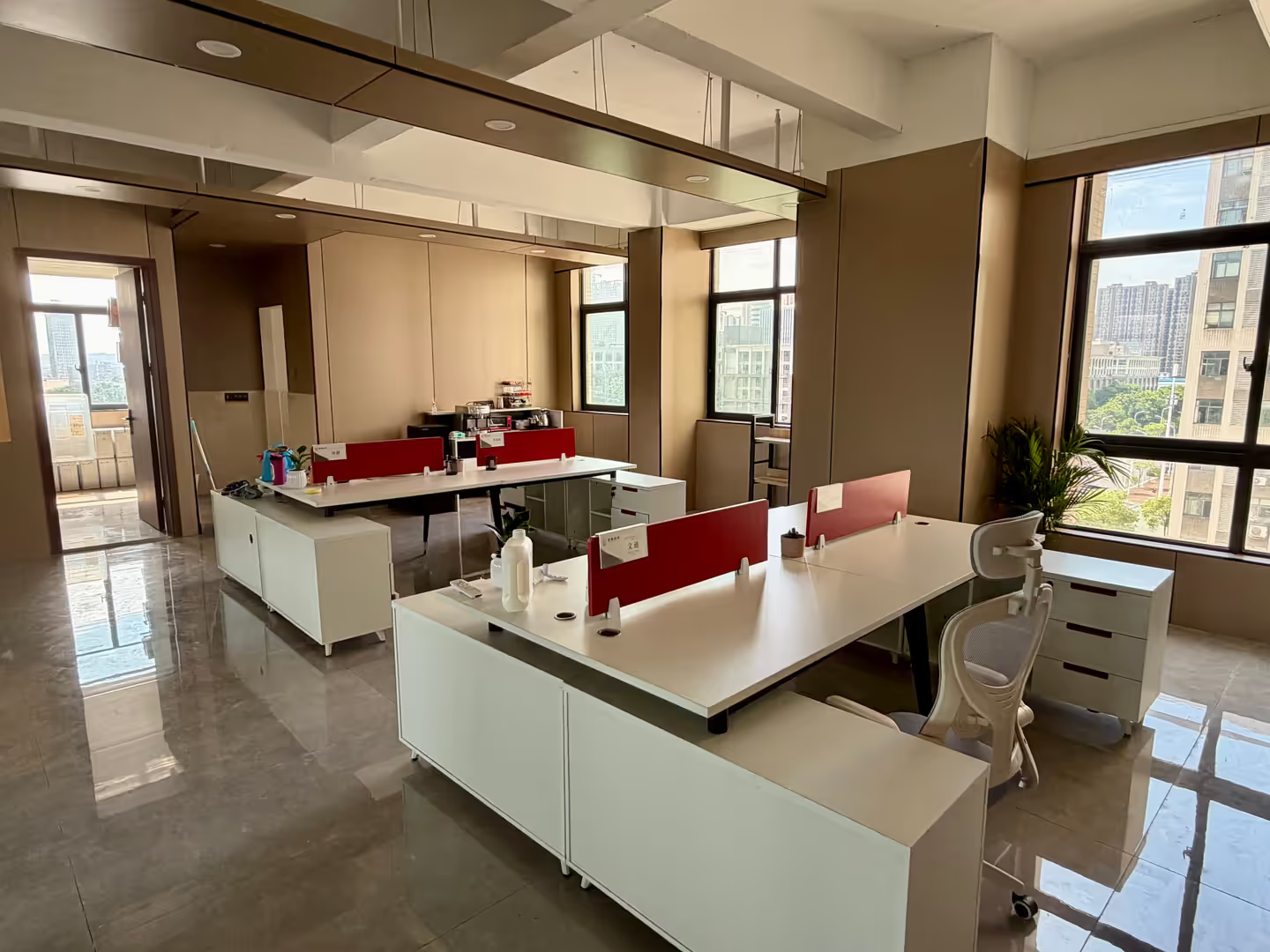
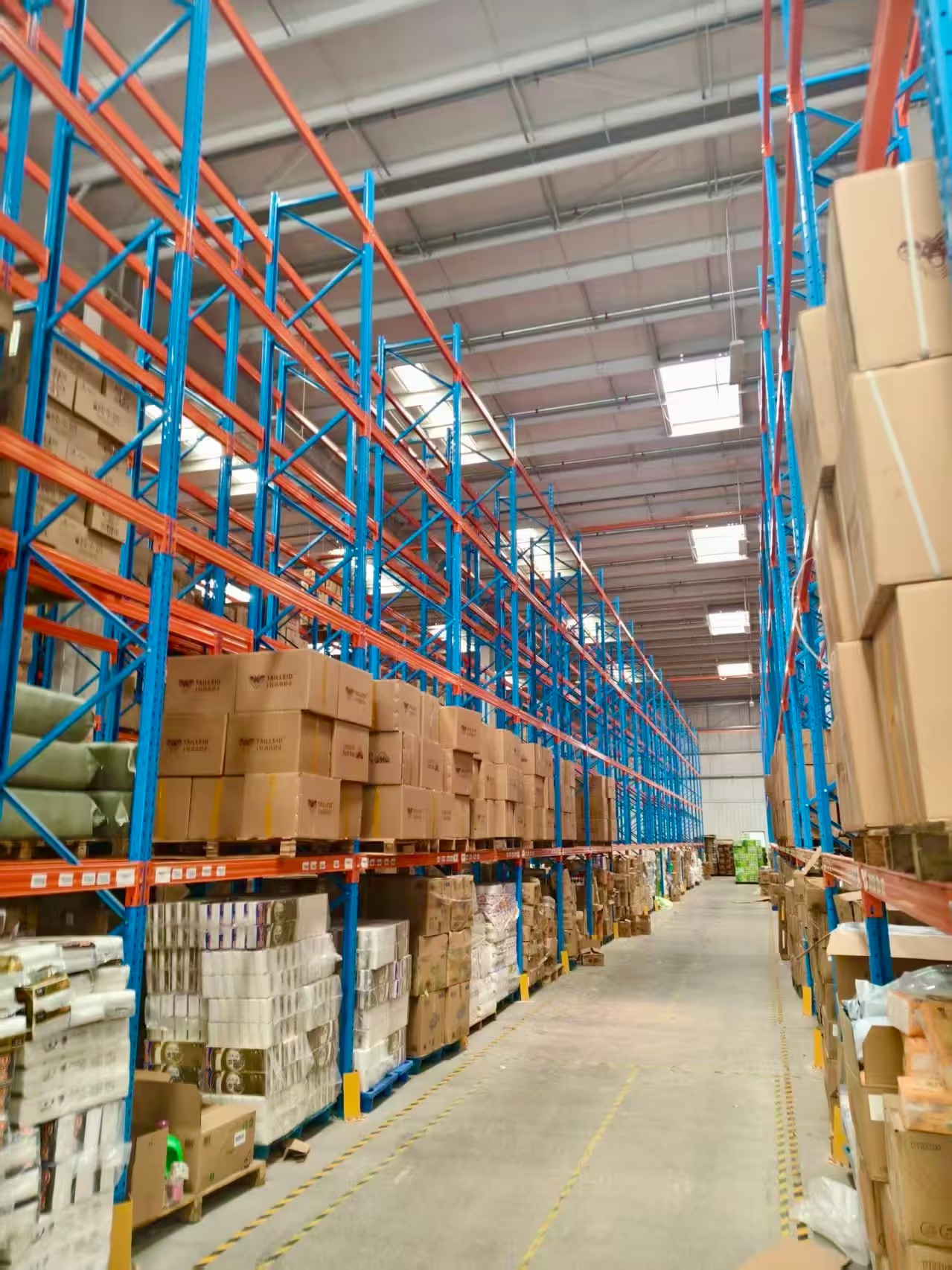
A system is tested where work actually happens

Approach
- Defined business objects, ownership, and approval paths
- Separated requirements by module while preserving master-data consistency
- Treated access control, logs, and auditability as foundational
System Structure
- OA / HRM / CRM / SRM
- Inventory, finance, and product master data
- BI, permissions, and audit trails
Design Decisions
Define entities, ownership, and definitions before expanding modules
As modules grow, who owns a shared record?
More connected screens cannot resolve inconsistent customer, inventory, and financial definitions. This principle interprets the public product structure; it is not a claim about migration results or implementation metrics.
德馨星云 · Public product overview ↗Outcomes
- Produced a cross-functional system blueprint
- Combined process and data governance in one design
- Created clear boundaries for phased implementation
Discuss this project
Interested in this project’s methods, implementation, or tradeoffs? I welcome a conversation by email.